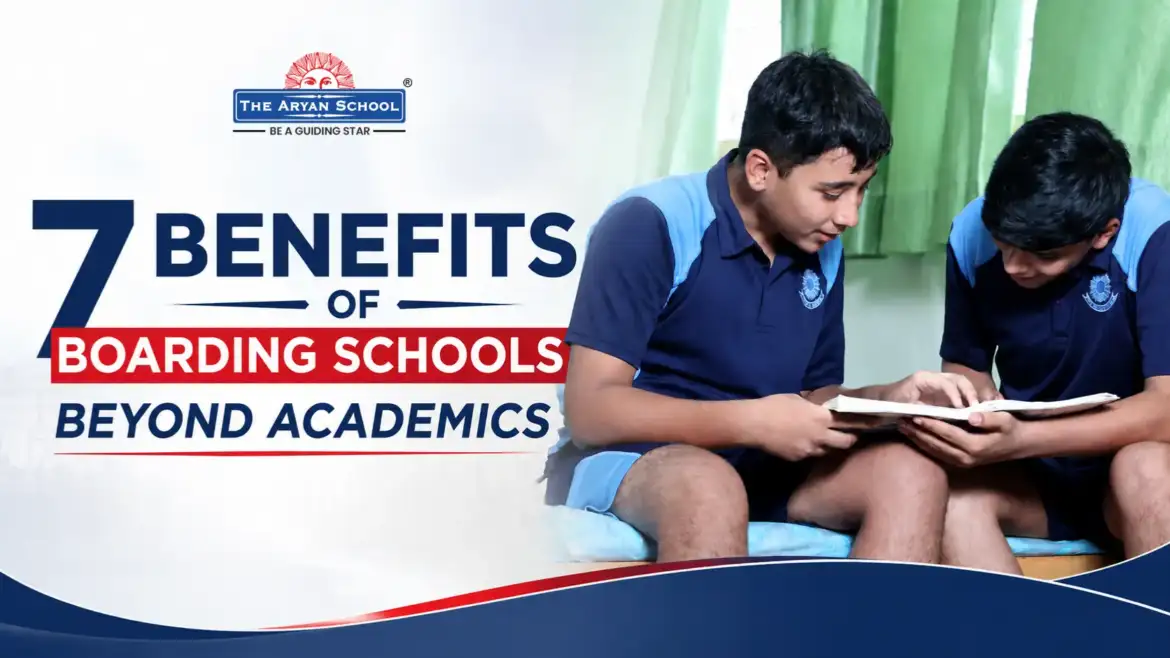
Choosing a boarding school is a big decision. Parents think about board results, college admissions, and rankings, but the real impact goes further. Residential education changes a child’s daily life adding a polished layer to their personality.
A good boarding school combines academics with community living, structured routines, and close mentorship. Children learn to manage themselves, work with others, and face different challenges. Over time, this builds independence, confidence, and life skills that matter long after school.
Below are 7 key non‑academic benefits that boarding schools give students, and why they matter for your child’s future.
1. Independence and self‑reliance
In boarding, children live away from home and manage daily life on their own: waking up, getting ready, keeping rooms tidy, and reaching class on time. They learn to handle pocket money, ask for help when needed, and take care of basic health and hygiene
This day‑to‑day responsibility builds real confidence. Many boarding graduates say that hostel life made the transition to college easier, because they were already used to living independently and solving everyday problems on their own.
2. Time management, discipline, and responsibility
A boarding school day usually follows a clear schedule: morning assembly, classes, meals, sports, hobbies, study hours, and lights‑out. Students juggle multiple commitments inside that structure, so they learn to plan their day, prioritize, and meet deadlines without constant reminders from home.
Living in this system teaches them that their choices today shape tomorrow’s workload. If they waste prep time, they carry unfinished work into the next day. Over time, this cause‑and‑effect builds discipline and a strong sense of personal responsibility.
3. Social skills and emotional intelligence

Boarding campuses usually draw students from different cities, states, and sometimes countries, creating a mixed community in hostels and houses. Sharing rooms, bathrooms, and study spaces forces children to listen, negotiate, and adjust to different habits and personalities.
They also face real‑world social situations: roommate disagreements, group projects, team selections, and house competitions. With guidance from house parents and teachers, children learn to resolve conflicts, support friends, and read emotional cues. These experiences strengthen communication, empathy, and emotional intelligence.
4. Leadership and confidence
Boarding schools are small communities with many student roles: house captains, prefects, dorm leaders, team captains, club heads, and event coordinators. Students run assemblies, cultural programmes, inter‑house competitions, and service projects, which gives them hands‑on experience in leading people and managing tasks.
Taking responsibility for others and speaking in front of peers builds confidence that is hard to create in a purely classroom‑based environment. Later, this shows up in college and work, where boarding graduates often feel more comfortable taking initiative and accepting leadership roles.
5. Resilience and adaptability
The first months of boarding can be challenging: homesickness, new rules, and new classmates. When schools provide good pastoral care—house parents, counsellors, mentoring programmes—most students gradually adapt and become emotionally stronger.
Over the years, children learn to handle academic pressure, social setbacks, and changing roommates with support instead of giving up. They see that difficult phases pass and that they can adjust to new situations. This resilience and adaptability help them later when they change cities, courses, jobs, or countries.
6. Cultural awareness and a global outlook
Because boarding campuses pull in families from many places, children grow up with classmates who speak different languages, follow different customs, and celebrate different festivals. Daily exposure to this mix makes cultural difference normal, not strange.
Schools with strong diversity use projects, celebrations, and discussions to deepen this awareness. Students learn to respect other cultures, ask better questions, and see the world beyond their home city. This global outlook helps them in multinational workplaces and in universities where they study with peers from around the world.
7. Healthy habits, strong networks, and college readiness
Boarding timetables usually include regular sports or physical education, which keeps children active rather than sedentary. Campus kitchens give consistent meal times and planned menus, and many newer schools add yoga, mindfulness, and wellness programmes to support mental health and balance.
On the academic side, boarding schools often provide close teacher mentoring and structured study hours, along with dedicated college counselling. Students get used to managing their own study schedule, asking for help, and planning for exams and applications.
By the time they graduate, many boarding students have both strong habits and strong networks. Teachers, seniors, and alumni become part of their support system. This combination makes them better prepared for university life: living away from home, handling workload, and finding internships or first jobs.
Conclusion
For parents, the practical question is simple: will my child be ready for life, not just exams? Boarding schools can give children independence, discipline, social and emotional skills, leadership, resilience, cultural awareness, and strong networks that carry into college and careers. When you compare schools, look at board results and college lists, but also ask how the boarding school trains these 7 non‑academic strengths in everyday campus life. That is where the long‑term value of residential education really sits.